

The key to burning fat is balance. Moving your body regularly, eating nourishing foods, getting quality sleep, and building habits you can maintain long-term all work together. When these elements align, your body becomes more efficient at using stored energy—and you naturally feel stronger, more energized, and healthier.
While every body is unique, the fundamentals are the same for everyone: fat loss happens when you burn more energy than you consume. This doesn’t require extreme dieting or rigid rules. Instead, it’s about creating simple, realistic routines that fit your lifestyle and support consistency.
In this article, you’ll find practical ideas to help you move more, eat better, and recover in ways that feel sustainable and enjoyable.
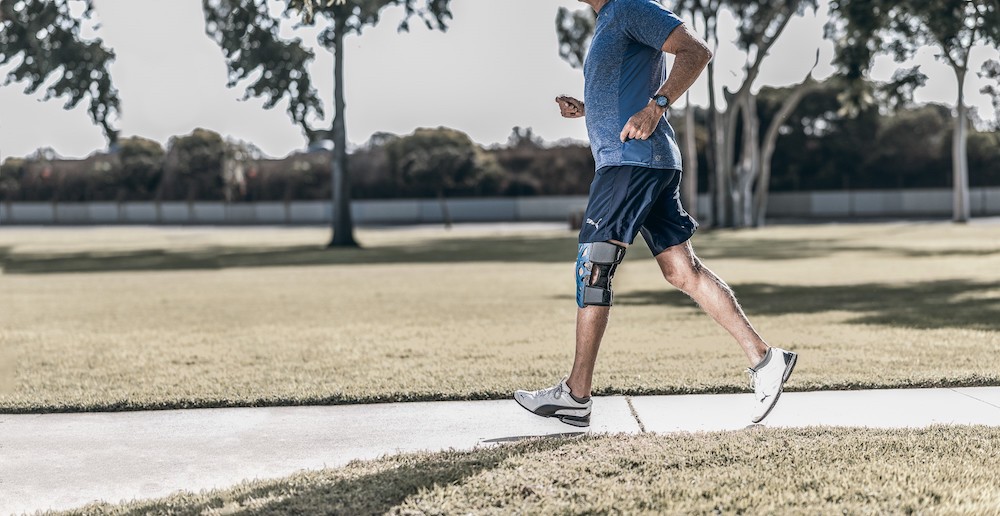
Move in Ways You Enjoy
Exercise helps your body use stored energy and build strength—but its benefits go far beyond burning calories. Regular movement can boost your mood, improve sleep quality, and build confidence, making it easier to stay consistent over time.
Different types of exercise play different roles in supporting fat loss and overall health. Below, we break down how each one helps.
Strength Training
Building muscle is one of the most sustainable ways to help your body burn more energy, even at rest. Muscle also supports better posture, protects your joints, and makes everyday movements feel easier and more efficient.
Tips for getting started:
-
Aim for 2–3 strength-training sessions per week.
-
Train all major muscle groups: legs, back, chest, arms, and core.
-
Use equipment that feels comfortable and accessible—free weights, machines, resistance bands, or bodyweight exercises.
-
Focus on slow, controlled movements with good posture rather than rushing through reps.
Coach’s tip:
Start with light weights to learn proper technique without unnecessary strain. As you build confidence and strength, gradually increase the weight to keep challenging your muscles safely.
If you’re new to strength training, check out our article on how to choose the right weight for your workouts to get started with confidence.
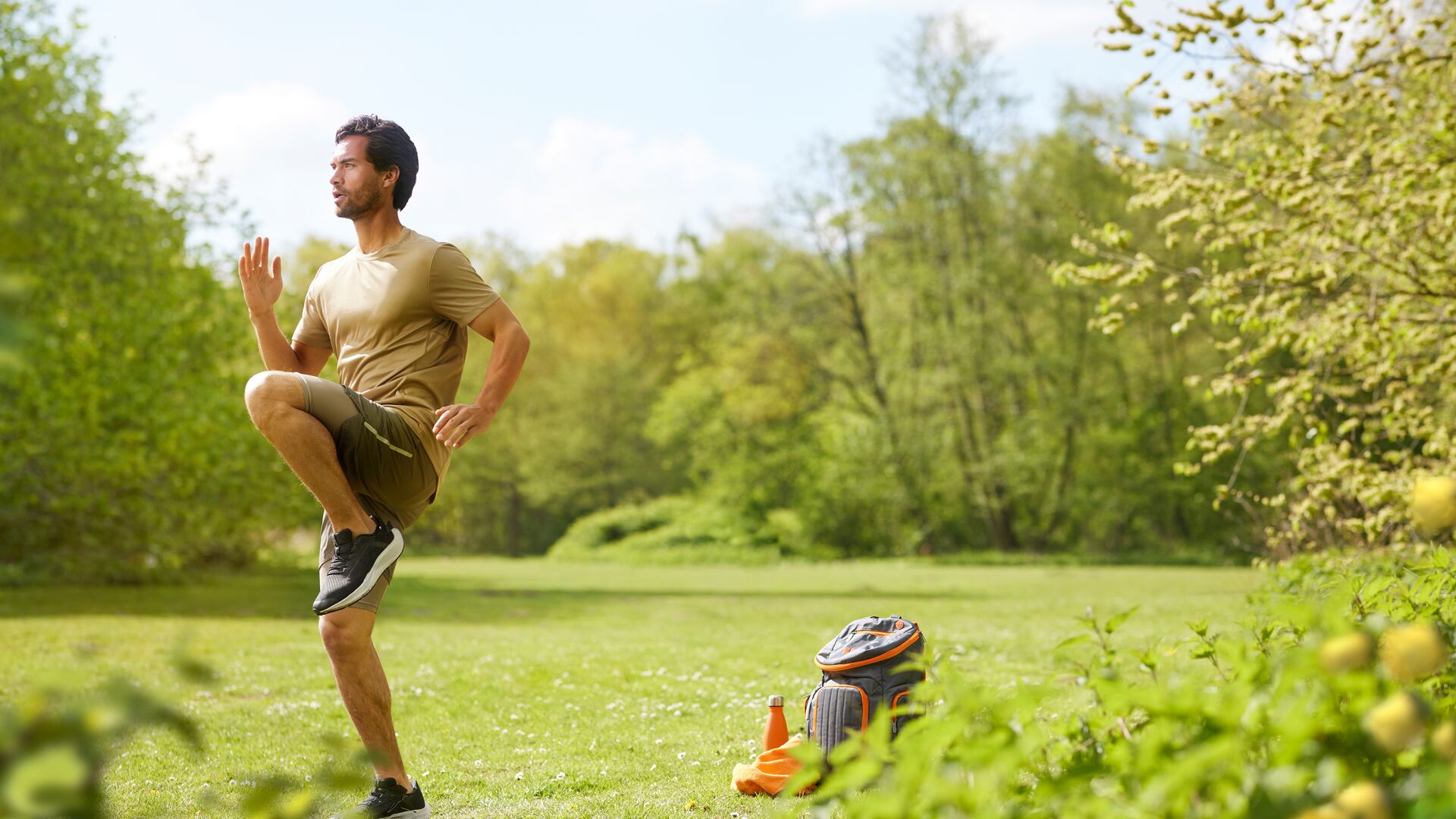
Cardio
Cardio strengthens the heart and lungs and helps burn energy during and after exercise. It can be moderate, such as brisk walking or cycling, or more intense, such as short high-intensity interval training (HIIT).
Tips for getting started:
- Start with 20-30 minutes a few times a week.
- Choose activities you enjoy: walking, dancing, swimming, cycling, running...
- If you prefer a gentler recovery, start with a moderate intensity.
- Add short breaks when you feel ready to pick up the pace.
- Listen to your body and adjust the pace if you need to.
Coach's tip: We recommend combining strength and cardio throughout the week. Strength training helps you build muscle, while cardio improves your endurance and supports energy expenditure. Together, they make a great team. A balanced week might include two or three strength sessions and two or three cardio sessions. You can do them on different days or in the same session.

Daily movement
How you move between workouts has a big impact on the energy your body uses. This includes all those little activities that aren't workouts: walking around the house, climbing stairs, stretching, or doing housework.
These actions can burn more calories throughout the day than a single workout session. Staying active during the day helps your body continue to use energy constantly.
How to move more:
- Take a walk during your lunch break.
- Take the stairs instead of using the elevator.
- Stand up every hour or two to stretch or move around a bit.
- Play with your children, pets, or do some fun activity with your favorite people.
Coach's tip: Set reminders to get up and move around several times a day. Even a few minutes of standing and stretching will get your body moving.

Stimulate fat burning with a balanced diet
The food you choose influences how your body uses energy. Eating a balanced diet, with enough protein, healthy fats, and fiber, helps you feel full, maintain muscle mass, and stay energized.
Here are some ideas to get you started:
- Add protein to every meal: eggs, legumes, fish, chicken, dairy products or tofu help you feel full and repair your muscles.
- It includes healthy fats such as nuts, seeds, avocado, and olive oil.
- Include enough fiber: vegetables, legumes, and whole grains aid digestion and keep your blood sugar levels stable.
- Stay well hydrated: Drinking water throughout the day supports your metabolism and can help you avoid unnecessary snacking. As a guideline, aim for about 30-35 ml per kilogram of body weight per day. Adjust this depending on your workouts or the weather.
- Keep simple snacks on hand: a handful of nuts, yogurt, fruit, or chopped vegetables.
If you're looking for inspiration, the Basic-Fit app offers recipes, meal ideas, and tools to track your habits, all tailored to your lifestyle.

Rest and recovery
Getting enough rest is essential for burning fat, rebuilding muscle, and feeling better. Recovery is key to staying consistent and motivated in the long run.
Dream
Sleeping well regulates hormones that influence hunger, energy, and the use of stored fat.
Tips for sleeping better:
- Try to sleep between 7 and 9 hours each night.
- Maintain a consistent sleep and wake-up routine.
- Avoid screens and bright lights one or two hours before going to bed.
- Create a calm and comfortable environment for sleeping.
- If your head is full of things, write down your ideas or tasks before going to sleep.
- Avoid heavy meals about three hours before going to bed.
Stress
Ongoing stress can increase cortisol levels, which affects your recovery and energy levels. Some simple habits can help you switch off:
Simple habits can help you unwind:
- Do some gentle movement: stretching, yoga, or leisurely walks.
- Go for a walk to breathe fresh air and recharge your energy in the sun.
- Try short breathing exercises, such as inhaling in 4 counts and exhaling in 6, or box breathing.

Progress beyond the scale
The number on the scale doesn't tell the whole story. By training and eating well, you can gain muscle and lose fat at the same time. Because muscle takes up less space than fat, your weight may not change or may even increase, even though you look thinner and feel stronger.
Other signs that you're making progress:
- You feel stronger and more confident in your daily life.
- The clothes fit you more comfortably.
- You sleep better and wake up with more energy.
- You have more stable energy throughout the day.
- You feel calmer/and manage stress better.

Ask for help when you need it
Every body is different. If you have conditions like PCOS, thyroid problems, or insulin resistance, it's normal for your progress to look different.
Having extra support can give you more confidence and helpful information. Consider talking to a healthcare professional or a personal trainer who understands your goals.
At Basic-Fit you will find:
- Personal trainers who help you train at your own pace.
- A library of workouts, recipes, and tips in the Basic-Fit app .
- A welcoming space where you can try new things without pressure.
Remember: you don't have to do everything perfectly. Every step counts—a long walk, a delicious meal, a good night's sleep—it all adds up on your journey to a more active life.