

Stress affects your body, sleep, thoughts, and daily movement. When it builds up over time, it can make it harder to concentrate, relax, and enjoy the activities that usually help you unwind.
The good news is that certain everyday habits can lower cortisol levels, calm your nervous system, and improve your resilience to stress. These small, consistent actions support better recovery from stressful events, promote deeper sleep, and help you think more clearly.
In this blog, we’ll explore six research-backed habits designed to reduce stress and support long-term mental well-being. Each habit is practical, accessible, and easy to integrate into your daily routine.

1. Practice Mindfulness and Mind–Body Exercises
Mindfulness practices such as yoga, meditation, and tai chi can have a powerful effect on how your mind and body respond to stress. These activities activate the parasympathetic nervous system—the part responsible for rest and recovery—helping to slow your heart rate, release muscle tension, and calm the body’s stress response.
Research shows that regular mindfulness practice can lower cortisol (the primary stress hormone), reduce inflammation, and improve the brain’s ability to manage negative thoughts and emotions. In one 8-week mindfulness program, participants reported reduced anxiety, lower levels of depression, and a noticeable decrease in perceived stress.
Mindfulness helps you develop greater awareness of your thoughts, emotions, and physical sensations. Over time, it trains your brain to pause, refocus, and recover more quickly instead of reacting automatically or staying stuck in “fight-or-flight” mode.
How to Integrate Mindfulness into Daily Life
-
Start or end your day with a 10-minute guided meditation.
-
Join a weekly yoga or mind–body class, either in person or online.
-
Take 2–3 minutes between tasks for a mindful breathing break.
-
Include gentle movements like tai chi, stretching, or relaxed walks on your days off.
-
Practice a body scan: close your eyes and slowly move your attention from your head to your toes, noticing sensations without judgment.

2. Use breathing techniques to calm your system
Your breathing sends signals to your nervous system. Slow, deep breathing tells your body it's safe, helping you shift from stress mode to recovery mode. Over time, learning to control your breathing improves concentration, reduces anxiety, and balances your emotions.
Studies show that slow, rhythmic breathing increases heart rate variability (HRV), a sign that your nervous system is adapting well to stress. High HRV is associated with better physical and mental health, improved mood, less anxiety, and a greater ability to manage stress.
By training your breathing, you make your nervous system more flexible. This allows you to recover more quickly from stressful moments and remain calm in situations that would normally cause tension or automatic reactions.
How to use breathing and train your HRV
- Breathe slowly: inhale for 4 or 5 seconds, exhale for 5 or 6. Do this for a few minutes to calm your system.
- Try box breathing: inhale 4, hold 4, exhale 4, hold 4. Use it when you feel tense or unfocused.
- Use the breathing sessions in the Basic-Fit app to follow the step-by-step instructions.
- Practice for 5 to 10 minutes a day, ideally when you are already relaxed, such as after training or before going to sleep.
- Just before something stressful (like a meeting or a difficult conversation), take 3 slow breaths to reset.
- After training, take a few slow breaths to help your body enter recovery mode.

3. Take care of your sleep habits
Stress makes it hard to rest. And when you don't get enough sleep, stress feels even heavier. It's a vicious cycle that affects your concentration, mood, and energy levels throughout the day.
Getting enough sleep helps your body recover and your brain process what you've experienced. It strengthens your immune system, regulates your hormones, and improves your emotional stability. When you sleep better, you manage stress more effectively.
The good news is that many sleep problems can be improved with small changes to your routine. These habits work best when you do them consistently, even if you start with just one or two.
How to improve your sleep habits
- Go to bed and wake up at the same time every day, even on weekends.
- Make sure you spend at least 7.5 to 8.5 hours in bed each night.
- Dim the lights and reduce stimuli an hour before going to bed.
- Avoid caffeine at least 6 hours before bedtime.
- Put your phone or screens away 30 to 60 minutes before going to bed.
- Create a relaxing routine: stretch, read, or do a short breathing exercise.
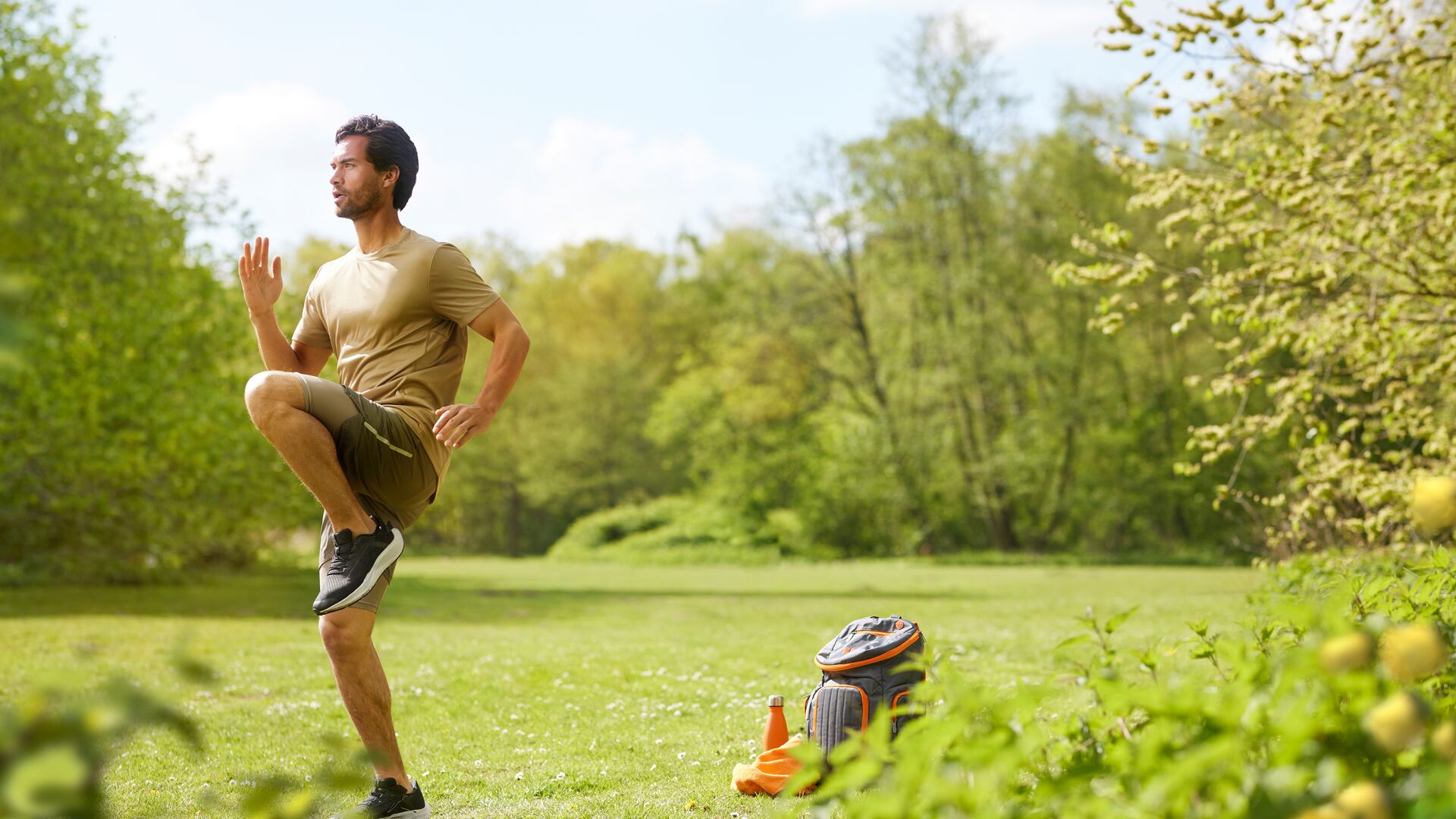
4. Move your body throughout the day
Exercise changes how your body responds to stress. Regular movement regulates your stress hormones, promotes recovery, and trains your nervous system to stay balanced. Even a single session can release tension and help you mentally disconnect.
Studies show that regular physical activity is linked to lower levels of anxiety and depression, and a reduced body response to stress. People who exercise regularly recover better from stressful situations and maintain a more stable emotional balance. Exercising before or after a stressful event can also lessen your body's reaction at that time.
You don't need to move around a lot or too intensely to notice the benefits. Just a few consistent sessions throughout the week help reduce stress and maintain mental balance.
How to move more during the day
- Set aside time to move things around in your calendar, as if it were a meeting.
- Take short active breaks every 30–60 minutes (e.g., stretch or walk around).
- Use the stairs instead of the elevator whenever possible.
- Walk or cycle to nearby places instead of taking the car.
- Work standing up with a high table or adjustable desk.
- Set reminders to get up and move around every hour.
- Include a morning or midday walk in your routine.
- Try a home workout video if you have little time or are looking for a simple option.
- Join a group class at your club to stay motivated and enjoy yourself with other people.

5. Spend more time in nature
Being in nature helps your body switch off from stress mode. Surrounding yourself with green spaces reduces cortisol, lowers your heart rate, and gives your mind a break from overstimulation.
Studies show that spending time in natural environments like parks or forests—or even simply observing trees or vegetation—reduces the physical and mental signs of stress. Even digital nature (such as sounds or images) can help you recover during times of high stress.
How to connect more with the outdoors
- Choose a green route to walk or cycle to work or the gym
- Do your cool-down or stretching outdoors if the weather is nice
- Train outdoors when you feel like a change of scenery
- Take short breaks outdoors throughout the day
- Add natural light and plants to your indoor space to create a more relaxing atmosphere
- Use sounds or images of nature in your breathing exercises or routines to disconnect

6. Use time management to reduce overwhelm
When everything feels overwhelming, it's often not the sheer volume of tasks, but the lack of structure. Planning, organizing, and setting clear priorities help you regain control and reduce mental fatigue.
Studies show that people who use time management skills—such as setting goals and prioritizing tasks—tend to experience less stress and greater emotional well-being. These habits make your day more manageable and give you more mental space for what truly matters.
Planning habits that relieve stress
- Start your day with a 3-minute plan: What's most important today? What can wait?
- Group similar tasks together so you don't have to constantly switch focus.
- Use your calendar to schedule time for training, work, and disconnecting.
- Break down your big goals into smaller steps and spread them out throughout the week
- Leave short gaps between tasks in case something takes longer than expected.
- Get everything out of your head and write it down to free up mental space.
- Plan your workouts in advance so they fit well into your week
Manage stress with the Basic-Fit app
When you're stressed, what helps most is having a clear structure, not more decisions. The Boost Your Peace plan in the Basic-Fit app offers a simple rhythm to follow when your head is full and your energy is low.
It combines gentle movement, breathing sessions, and recovery tools to create the space you need in your week. You don't have to plan anything, just go with the flow.
In the end, you'll have created a calmer routine, and you'll know how to return to it when everything starts piling up again.
This is what the plan includes:
- Four gentle workouts per week: strength training, Pilates, walking, or yoga
- One relaxing habit per week (short, realistic actions you can repeat)
- One guided breathing session per week to reset your system
- Two weekly sleep meditations to help you disconnect
- A mini blog post each week with tips for managing stress
What to keep in mind
Small actions change how you feel, how you move, and how you recover. A walk, a breath, a better night's sleep ... it all adds up to help you manage stress with more control and less overwhelm.
You don't have to start everything at once. Choose one habit. Make it part of your routine. And then move on to the next one.